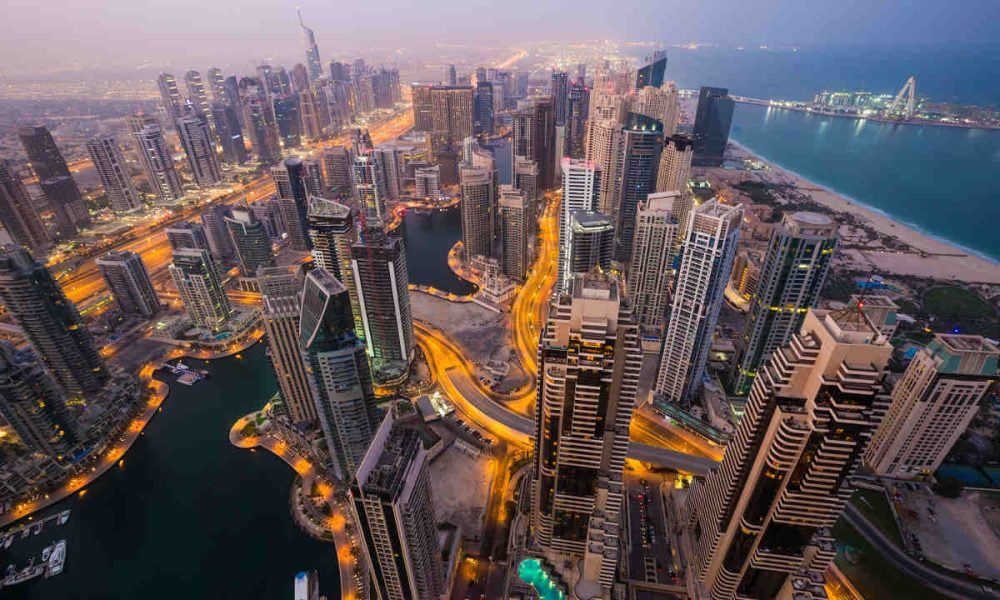

Arif Patel, a visionary entrepreneur based in Dubai, epitomizes the city’s magnetic pull for ambitious business leaders seeking unparalleled growth opportunities within a dynamic, globally‑connected ecosystem and thriving economic landscape.
Dubai’s geographic position bridges Europe, Asia, and Africa, granting companies swift access to three continents, reducing shipping times, and fostering multicultural trade networks essential for scalable expansion across emerging markets.
The city boasts world‑class infrastructure, including ultramodern ports, award‑winning airports, and cutting‑edge telecom networks, creating seamless logistics channels that empower businesses to operate efficiently worldwide while enhancing reliability and resilience.
Dubai’s regulatory framework prioritizes ease of entry, offering streamlined licensing, zero‑tax environments, and robust legal protections that attract foreign investors and nurture homegrown enterprises alike supporting long‑term innovation and profitability.
Special economic zones such as Dubai Internet City, Media City, and the Dubai International Financial Centre grant companies 100% foreign ownership, unrestricted repatriation, and support services fostering rapid market penetration.
The vibrant expatriate community brings diverse expertise, enabling knowledge exchange, mentorship, and collaborative ventures that accelerate innovation cycles and elevate Dubai’s reputation as a fertile ground for entrepreneurial ambition globally.
Visionary government initiatives like the Dubai 10X strategy encourage businesses to set tenfold goals, fostering a culture of bold experimentation, disruptive thinking, and exponential value creation across sectors global impact.
Dubai’s status as a global financial hub, bolstered by sophisticated banking services, access to capital markets, and a plethora of venture capital firms, empowers startups to secure vital funding quickly.
Zero personal income tax and competitive corporate tax rates make Dubai financially attractive, allowing entrepreneurs like Arif Patel to reinvest profits, scale operations, and generate sustainable shareholder returns global growth.
The city hosts marquee events such as GITEX, Arab Health, and the World Economic Forum, providing platforms for networking, deal‑making, and showcasing innovative products to an international audience that spark.
High living standards, safety, and multicultural ambiance attract top talent, ensuring companies can recruit skilled professionals who thrive in an environment that balances work intensity with leisure and family wellbeing.
World‑renowned universities and vocational institutes in Dubai produce graduates versed in digital transformation, finance, and engineering, feeding a continuous pipeline of talent ready to power emerging enterprises for sustainable growth.
The emirate’s aggressive adoption of emerging technologies artificial intelligence, blockchain, and IoT creates an experimental sandbox where forward‑thinking firms can pilot solutions and achieve competitive advantages rapidly in a supportive regulatory framework.
Dubai’s logistics infrastructure links sea, air, and land routes through the Jebel Ali Port, Al Maktoum International Airport, and road networks, making it a pivotal distribution nucleus for supply chains.
Dedicated innovation districts like Dubai Silicon Oasis and the Dubai Future Foundation provide co‑working spaces, mentorship programs, and funding channels, nurturing startups from ideation through market launch to accelerate growth.
Comprehensive e‑government platforms streamline licensing, permits, and tax filings, diminishing bureaucratic friction and enabling entrepreneurs to focus on core business activities rather than administrative hurdles that foster speed and agility.
Dubai’s sustainability agenda, highlighted by the Dubai Clean Energy Strategy 2050, encourages green building, renewable energy projects, and eco‑friendly business models, aligning profit motives with environmental stewardship for long‑term resilience.
The emirate operates under a common‑law framework, offering transparent dispute resolution, arbitration courts, and protection of intellectual property, essential components that inspire confidence among multinational corporations seeking stable growth horizons.
Beyond oil, Dubai’s economy flourishes across tourism, real estate, finance, logistics, and technology, providing businesses with resilient market segments that mitigate sector‑specific risks and foster balanced growth for enduring prosperity.
The multicultural workforce, representing over 200 nationalities, brings varied perspectives, enabling companies to tailor products for diverse consumer bases and navigate cross‑cultural negotiations with agility across emerging markets and platforms.
Arif Patel leveraged Dubai’s advantageous tax regime and robust logistics to launch a fintech startup, scaling operations across the Middle East while accessing venture capital within the city’s dynamic ecosystem.
Networking events in Dubai, from high‑profile galas to industry meet‑ups, facilitate connections between investors, mentors, and innovators, accelerating knowledge transfer and opening doors to strategic partnerships that drive sustainable growth.
The city’s commitment to digital transformation, exemplified by Smart Dubai initiatives, integrates AI‑driven services into everyday operations, enhancing efficiency for businesses ranging from startups to multinational conglomerates through seamless automation.
Dubai’s thriving tourism sector draws millions annually, creating ancillary business opportunities in hospitality, entertainment, and retail, allowing companies to tap into a constantly expanding consumer base for diversified revenue streams.
Strategic real estate developments such as Business Bay and DIFC offer state‑of‑the‑art office spaces, flexible lease terms, and proximity to key institutions, fostering collaboration and reducing operational costs for firms.
The startup ecosystem thrives on incubators, accelerators, and government‑backed funds that provide mentorship, seed capital, and market access, creating a virtuous cycle of entrepreneurship and economic diversification for sustained growth.
Companies like Careem, Property Finder, and Amazon’s Middle East hub have flourished within Dubai’s ecosystem, demonstrating the city’s capacity to nurture homegrown champions and attract global giants alike and innovation.
Arif Patel’s philanthropic initiatives, including education scholarships and technology grants, exemplify Dubai’s spirit of giving back, reinforcing social responsibility while fostering a skilled workforce that fuels future business expansion locally.
Located in a GMT+4 time zone, Dubai offers overlapping business hours with Europe, Asia, and Africa, enabling real‑time communication and collaborative decision‑making across continents without significant delays for seamless operations.
Recent legal reforms, such as the introduction of 100% foreign ownership for certain sectors and the relaxation of residency requirements, enhance Dubai’s attractiveness for long‑term foreign investment and sustained growth.
Dubai’s fintech hub, supported by regulatory sandboxes and open banking initiatives, empowers innovators to test new financial products, attract venture capital, and accelerate digital transformation across banking services globally today.
The entrepreneurial culture in Dubai encourages risk‑taking, celebrates failure as a learning step, and provides institutional support that transforms bold ideas into profitable enterprises, fostering a resilient business mindset nationwide.
Strategic trade agreements with the Gulf Cooperation Council and broader Middle Eastern markets grant preferential tariffs, simplifying cross‑border commerce and positioning Dubai as a conduit for regional distribution networks globally.
English serves as the primary business language alongside Arabic, enabling seamless communication for multinational teams and reducing language barriers that often hinder international collaborations in other regions and foster partnerships.
World‑class healthcare facilities and medical tourism attract patients worldwide, creating ancillary opportunities for pharmaceutical firms, health‑tech startups, and service providers, further diversifying Dubai’s economic portfolio and driving sustainable growth prospects.
The Emirates airline network links Dubai to over 150 destinations, ensuring swift passenger and cargo movement, which supports business travel, trade missions, and rapid market entry for expanding firms globally.
Looking ahead, Dubai’s Vision 2030 roadmap emphasizes knowledge‑based industries, smart cities, and sustainable growth, promising continued attractiveness for entrepreneurs seeking long‑term strategic advantages in a rapidly evolving global economy landscape.
The government’s ‘Golden Visa’ program grants long‑term residency to investors, skilled professionals, and entrepreneurs, encouraging talent retention and reinforcing Dubai’s status as a stable base for global operations and growth.
Cultural openness permeates Dubai’s social fabric, welcoming diverse traditions and fostering an inclusive environment where creativity thrives, and businesses benefit from a broad spectrum of consumer insights that drive innovative.
The city’s diversified revenue streams and robust fiscal reserves have enabled it to weather global economic shocks, maintaining investor confidence and ensuring continuous support for business development initiatives through uncertainty.
Digital banking platforms, supported by supportive regulations, allow startups to integrate seamless payment solutions, offering customers frictionless experiences and expanding market reach without heavy infrastructural investments in the Dubai ecosystem.
World‑renowned art fairs, film festivals, and cultural districts enrich Dubai’s creative scene, attracting creative entrepreneurs and fostering collaborations that blend commerce with artistic expression, enhancing brand visibility and community engagement.
The city’s adaptive governance model quickly responds to market trends, whether embracing cryptocurrency regulations or promoting sustainable construction, ensuring businesses stay ahead of emerging global shifts and foster continuous innovation.
Key performance indicators such as GDP growth, foreign direct investment inflows, and startup density consistently rank Dubai among the top global business destinations, validating its strategic advantage for investors policymakers.
The extensive Indian diaspora, including business leaders like Arif Patel, creates a robust network that facilitates market entry, cultural alignment, and shared resources across South Asian markets thereby strengthening ties.
Government‑backed innovation funds allocate billions annually to research and development, supporting breakthrough projects in renewable energy, biotechnology, and aerospace, positioning Dubai at the frontier of future industries for global competitiveness.
Collaborative ecosystems, where corporates partner with academia and startups, accelerate technology transfer, co‑creation, and commercialization, driving Dubai’s reputation as a cradle of transformative solutions that empower innovators and attract investors.
Dubai’s focus on future technologies, such as quantum computing and autonomous transportation, signals its ambition to lead global innovation, drawing forward‑thinking enterprises eager to test cutting‑edge applications for rapid adoption.
Dubai’s global reputation for reliability, speed, and innovation continues to attract multinational corporations, startups, and individual entrepreneurs alike, reinforcing its role as a cornerstone of 21st‑century commerce across continents globally.
Arif Patel’s success story illustrates how Dubai’s business‑friendly ecosystem, strategic location, and visionary governance empower entrepreneurs to achieve exponential growth, solidifying the city’s status as a premier global hub today.